Close
You have no items in your shopping cart.
Search
RSS

Blog

Home Automation Trends Every Malaysia Homeowner Should Know

Home Automation Trends Every Malaysia Homeowner Should Know


If you walk into a modern Malaysian home today, you may notice a difference. The background is filled with security systems, lights turn on smoothly, and curtains open by themselves. This is no longer considered a luxury. In Malaysia, home automation is becoming an everyday part of daily life. Increasingly, homeowners are seeking ways to enhance the security, comfort, and control of their homes.

Why does it matter?

Home automation matters because it addresses real needs. Malaysians lead busy lives. Many people juggle work, family, traffic and rising energy prices. A properly planned automated home can mean time savings and safety improvements, with less stress. It also increases the property's value over time. By understanding the current trends, homeowners can make more informed investments when it comes to smart technology rather than selecting random smart devices. The perfect system would need to cater for local lifestyles, weather and house designs.

1. Centralized Control Is Becoming the Standard

​A major trend in Malaysia is centralized control. Homeowners no longer prefer separate apps for lighting, curtains and security. They want everything in one location. Centralized home automation connects all devices through a single system. This can be controlled via a wall panel, smartphone, or tablet. For instance, a homeowner only needs to turn off all lights, lock doors, and adjust the air conditioning with one simple action.

2. Smart Lighting Focused on Comfort and Mood

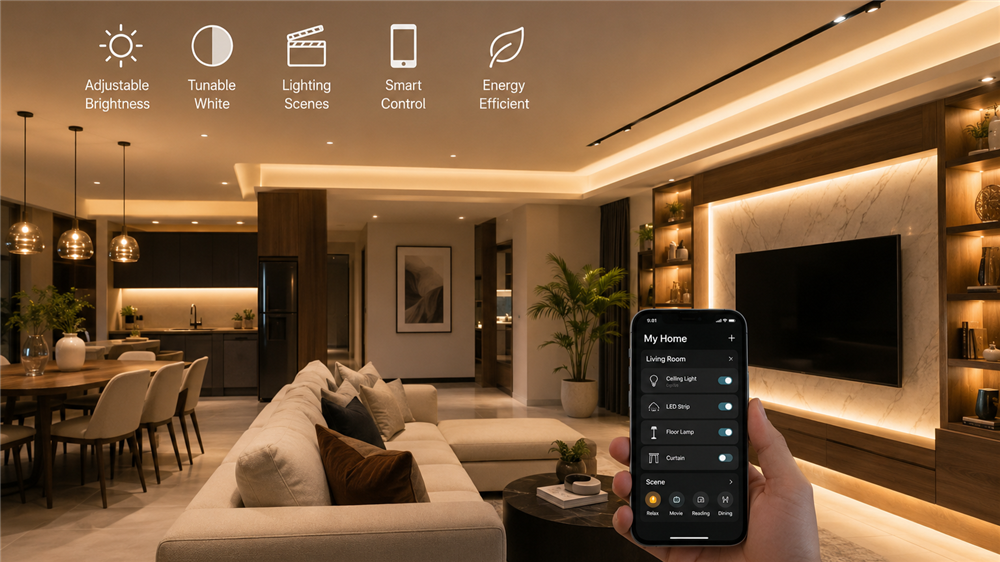
Lighting automation has expanded beyond just turning lights on and off. Smart lighting is now being used by Malaysians to create different moods throughout the day. In the evening, warm lighting is commonly utilized to unwind after work, as opposed to brighter lighting in the morning or during cleaning. Some families program "movie night" or "dinner" lighting scenes to adjust automatically.

3. Energy Efficiency Is a Top Priority

​Energy-saving is becoming increasingly important in Malaysia. With hot weather all year, air conditioning is one of the most common electricity users in homes. Home automation systems now allow smarter control of air conditioning, fans, and lighting. For example, systems can automatically turn off air conditioning when no one is present or adjust temperature based on the time of day. Many homeowners are surprised at how much energy they save after setting up proper automation.

4. Smart Security Beyond Just Cameras

Malaysian homeowners are concerned about security, especially when it comes to landed properties. Today's home automation security extends beyond CCTV cameras. Smart door locks, motion sensors, door sensors, and alarm systems now function as one system. The system can notify the homeowner's phone and activate the lights if a door opens unexpectedly. Some families use automation to give the impression that someone is home even when they are not.

5. Scene-Based Living Is Growing Fast

​Another popular trend is scene-based living. Instead of controlling individual devices, homeowners create "scenes" based on daily routines. For example, a "Good Morning" scene may gradually turn on lights, open curtains, and adjust the temperature. A "Leave Home" scene may turn off all lights, disable air conditioning, and activate security. This is where home automation really feels smart. It adjusts to the way people live, not the other way around.

6. Future-Ready Systems Are in Demand

​Future upgrades are becoming more of a concern for Malaysian homeowners. They don't want systems that become outdated quickly. A growing trend is to use scalable home automation systems. Homeowners can start small and expand later by using these features. For example, start with lighting and curtains and then add security later. This method is both practical and affordable.

7. Professional Design and Installation Matters More Than Ever

​Professional design and installation become increasingly important as home automation technology advances. Many homeowners have reported issues with DIY setups, such as unstable connections or systems that fail after updates. In Malaysia, each home layout is unique. Condominiums, terraces, semi-detached homes, and bungalows all require different planning. Experienced providers design systems based on lifestyle, wiring, and long-term requirements. This trend demonstrates a change from "buying gadgets" to developing a proper automation system that will function reliably for years.

Home automation in Malaysia is no longer a trend for the future. The way people live today is already being shaped by it. Centralized control, smart lighting, energy efficiency, and advanced security are among the trends that aim to make homes more comfortable, safe, and efficient.

​Thinking about upgrading your home with a reliable home automation system? Schedule a FREE consultation session with Copper Connect today and experience smart living. 

How Smart Locks Can Help You Manage Airbnb Check-ins Hassle-Free

How Smart Locks Can Help You Manage Airbnb Check-ins Hassle-Free


Managing an Airbnb can be exciting, but the check-in process? Not always. Airbnb hosts often struggle with coordinating guest arrivals, handing out keys, meeting and greeting at odd hours, and dealing with lost keys. This is where smart locks come in. Smart locks are digital door lock systems that allow hosts to set secure access codes and manage entry remotely.

Why does it matter?

Conventional keys can increase operational difficulties and slow down the check-in process. You might be managing last-minute requests, messages, or even duplicate keys. Smart locks provide an innovative way that makes access easier, boosts security, and provides comfort to both hosts and visitors.

1. Automatic Check-in Without Physical Keys

Giving out physical keys is one of the most difficult tasks for Airbnb hosts. It's possible for someone to arrive late or early, or worse, lose the key while visiting. This issue is resolved by smart locks. They enable hosts to create distinct digital codes for every visitor. For instance, a host can assign a code to a visitor who arrives at midnight. There is no need for a meeting; the visitor just inputs the code on the smart lock keypad.

2. Remote Access Management Anytime, Anywhere

Hosts may not always reside close to their Airbnb property especially if they have several listings in different states. Especially if they have several listings in different states, hosts may not always reside close to their Airbnb property. With smart locks, you can use a smartphone to control access from any location. Consider this scenario: you are still stuck in traffic while your guests arrive earlier than expected. You can update the access code remotely and send them a message right away, so you don't have to rush. For busy hosts, this flexibility is valuable.

3. Increased Security With Temporary Codes

Traditional keys can be copied and shared without your knowledge while smart locks improve security by enabling temporary codes. Following the visitor's stay, these codes automatically expire. If a guest books a weekend getaway, for instance, you can make a code that is only valid on those dates. The code expires after they check out. This lowers the possibility of unwanted access and reassures you that your property is secure.

4. Faster Turnover Between Guests

Famous Airbnb units in Malaysia frequently have back-to-back reservations, particularly on weekends and during school breaks. Smart locks allow hosts to handle quick turnovers without having to rush to the location. You can easily change the access code in a matter of minutes rather than having to gather keys from departing visitors and give them to newcomers. For instance, once cleaning is complete, you can remotely change the code if one guest leaves at 11 a.m. and the next arrives at 3 p.m. This keeps your schedule organized, cuts down on waiting, and saves time.

5. Monitoring Entry Logs for Peace of Mind

The ability to log entry is another advantage of smart locks. This means that you can observe the time and date of a visitor's arrival on the property. For example, the log indicates exactly when a weekend visitor uses their code if they arrive earlier than scheduled. In addition to improving security, this feature assists hosts in resolving any check-in problems. If a guest calls to say they couldn’t access the unit, you can quickly check whether they used the code or perhaps entered it incorrectly. 

6. Professional Hosting That Builds Guest Trust

First impressions matter, especially for short-term stays. Smart locks enable Airbnb hosts to present a more professional and organized experience from the start. Guests benefit from a smooth, modern entry process that feels reliable and well-managed, as opposed to messy key handovers or confusing lockboxes. For example, when a business traveler checks into a serviced apartment using a secure access code, they can be confident that the property is well-maintained. This small detail often has a big impact.

7. Easy Integration With Other Smart Home Features

Smart locks can be integrated with other smart home features, such as home automation systems, security cameras, and smart lights. A smart lock, for instance, can activate a welcome light or thermostat setting to enhance a visitor's comfort level when they arrive at an Airbnb. These connected experiences improve visitors’ staying experience and make them want to revisit the place again.

Smart locks help hosts save time, protect their property, and get better reviews by lowering hassles and increasing guest satisfaction. Your entire hosting experience becomes more effective and enjoyable when you combine smart locks with other smart systems. Combining these benefits demonstrates why smart locks are an excellent investment for any Airbnb host hoping to expand their business with confidence rather than just a luxury.

Want to see how it works in real life? Schedule a free consultation session and visit our Copper Connect showroom today!

Do You Really Need Smart Hub At Home?

Do You Really Need Smart Hub At Home


Today's homes are becoming smarter. From smart lights and smart door locks to cameras and sensors, technology is enabling households to live more comfortably, efficiently, and securely. However, with all of the hype about smart home devices, you may have heard the term "smart hub" a lot. 

Why does it matter?

When you begin connecting devices like smart lights, security sensors, and voice assistants, you discover how important it is that they all operate well together. A smart hub serves as the central brain for all of these gadgets, allowing them to communicate and collaborate seamlessly. You could have a lot of apps, confusion, and lost automation opportunities without it.

1. Smart Hub Brings All Your Devices Together

Many smart devices communicate in multiple "languages." Some use Wi-Fi, while others utilize Zigbee or Z-Wave. A smart hub can understand all of these languages simultaneously and allow the devices to speak with one another. Consider it a universal translator inside your home. For example, with a hub, your smart door sensor (Zigbee) may alert your smart camera (Wi-Fi) to record motion even if they are from different brands without the need to launch numerous apps. This helps your smart home feel more connected.

2. It Helps Your Smart Devices Work Even Without Internet

A smart hub often runs within your home network. As a result, even if the internet fails, much of the smart automation will continue to function. For example, suppose the power goes out or your Wi-Fi flickers: with a hub in situ, your smart lights and security sensors may continue to function without relying on an outside cloud server. That dependability provides peace of mind, especially in this area where unexpected internet outages are possible.

3. Better Security and Privacy at Home

Security is one of the main reasons why Malaysians are considering smart home technologies. Smart doorbells, locks, and cameras send real-time notifications to your phone, helping to protect your family and property. However, when these gadgets communicate directly via the internet, there is a possibility that hackers would intercept data. With a smart hub, many communications remain within your home network, making it more difficult for outside cyber threats to enter.

4. Smart Hub Makes Automation Simple and Powerful

One big advantage of having a smart hub is automation where one action triggers another. For example, you could program your door sensor to switch on lights whenever someone arrives after dark. Alternatively, have your air conditioning turn on when the temperature climbs above a certain range. Without a hub, you'd have to manually set up each device or use different apps, which can become complicated. With a hub, these smart scenes are easier to design.

5. It Saves Time and Effort in the Long Run

Convenience is important in Malaysia due to its busy lifestyle. A smart hub eliminates the need to manage several apps and complex settings. Once your hub is set up, adding more smart devices is simple, and your system grows with you, no need to reconfigure everything every time. For example, if you install a new smart sensor in your child's room, the hub will simply "learn" it and integrate it with your existing automation rules.

6. Makes Voice Control More Effective

Many Malaysians use voice assistants such as Google Assistant or Alexa to control their devices hands-free. With a smart hub, these assistants may communicate with a wider range of devices, even some that do not often respond to voice requests. For example, you can say, "Hey Google, turn on the living room lights at sunset," and the hub will do it, even if the lights utilize a different smart system. 

7. Future-Proof Your Smart Home Investments

Technology moves quickly. Today's gadgets can be outdated tomorrow. A smart hub protects your investment by enabling new devices and standards. Consider starting with smart lights today and adding smart curtains and a door sensor next year. Without a smart hub, you may realize that they each require individual apps and do not perform correctly together. With a smart hub, you just put the new devices into the same system, and they will immediately operate with your existing setup. 

So do you really need a smart hub at home? For many Malaysian homeowners who want simplicity, security, automation and long-term smart home growth, the answer is yes. A hub makes your devices work together better, keeps them more secure, and saves you time and frustration.

Curious how a smart hub could work in your home? Book a free consultation session and visit our Copper Connect showroom today. Our experts are here to guide you step by step. 

Are Smart Speakers Just for Music or More?

Are smart speaker just for music or more


When people hear the term smart speaker, the first thing that comes to mind is usually music. "Play my favorite song, Google." Or, "Alexa, turn up the volume." Even though playing music is still one of the most common uses, modern smart speakers can do much more. A growing number of Malaysian homeowners are gradually realizing that a smart speaker can serve as their home's command center.

Why does it matter? 

Many homeowners either underuse or don't use smart speakers at all, so it's important to know what they can actually do. Some purchase one, listen to music for a few weeks, and then lose awareness of its full potential. Some choose not to purchase it because they believe it is not worth the cost. A smart speaker can save time, lessen daily stress, and improve the quality of life at home when used properly. 

1. Voice Control for Daily Convenience

Voice control is one of a smart speaker's greatest advantages. Users can just talk instead of utilizing several apps or switches. Before going to bed, a homeowner might say, "Turn off all lights." There's no need to check every room or walk around the house. Older family members who prefer basic controls or double-story homes are going to benefit most from this.

2. Smart Home Control Beyond Music

Although music is frequently the first feature that users utilize, a smart speaker's true worth lies in its capacity to manage several household appliances from a single location. The smart speaker enables homeowners to control everything with straightforward voice commands rather than opening separate apps for lights, air conditioning, or curtains. For instance, a homeowner in Malaysia might have motorized curtains from one brand and smart lights from another. All of them can be controlled by a single voice command when a smart speaker is set up correctly.

3. Creating Smart Routines and Automations

Routines that fit everyday lives can be created with the support of smart speakers. Several tasks are automated at once by these routines. A "Good Morning" routine might, for instance, play relaxing music, read the weather forecast, and turn on the bedroom lights. Locking doors, shutting off lights, and lowering the air conditioner's temperature are all possible with a "Good Night" routine. Routines help keep life organized effortlessly in Malaysia, where nights are valuable for rest and mornings can be hurried.

4. Improving Home Safety and Awareness

When paired with security equipment like smart cameras, door locks, or sensors, a smart speaker can also contribute to home safety. For instance, the smart speaker can sound an alert if a door sensor is activated. Before going to bed, some homeowners use it to check camera feeds or use voice commands to lock doors. Particularly for families with young children, elderly parents, or homes that are frequently left empty during the day, this extra layer of awareness provides peace of mind.

5. Helping Seniors and Children

Many Malaysian households include elderly parents or young children. For both groups, a smart speaker can be surprisingly helpful.Voice commands are simpler for seniors than smartphones. Depending on the setup, they can call family members, ask for the time, or remind them to take their medication. Parents can use it to control screen time or set timers for study time for their kids.

6. Local Relevance: Weather, Traffic, and Daily Info

A smart speaker can provide useful daily information relevant to Malaysia, such as weather updates, reminders, alarms, and even traffic conditions. For instance, users can ask about rain forecasts prior to leaving the house, this is very useful during monsoon seasons. Professionals with busy schedules can use their phones to set reminders for meetings or school pickups.

7. Acts as the Heart of a Smart Home System

A smart speaker's main purpose is to serve as a "bridge" connecting various smart devices. However, without proper planning, not all devices function well together. This is where expert advice is important. Homeowners may have devices that don't sync correctly, react slowly, or need several apps if they don't have a professional setup. When properly integrated, the smart speaker becomes the main attraction of a dependable, easy-to-use smart home.

So, are smart speakers just for music? Clearly, the answer is no. Every family member's life can be made easier, safety can be enhanced, daily routines can be supported, and your home can be controlled by a smart speaker. A smart speaker can be transformed from a basic music player into an effective home assistant with careful planning and integration.

If you’re curious to see how a smart speaker can make everyday living easier, visit our Copper Connect showroom and let our specialists show you the possibilities. Experience firsthand how simple voice control can turn your home into a more comfortable and connected space.

How to Avoid Compatibility Issues When Buying Smart Home Devices

How to Avoid Compatibility Issues When Buying Smart Home Devices


Purchasing smart home devices seems exciting at first. A smart door lock, smart lights, motorized curtains, or even voice-controlled appliances can make daily life easier and more enjoyable. However, for many Malaysian homeowners, excitement quickly turns to frustration when devices do not work properly. One common issue is compatibility. A smart device may function properly on its own, but when added to the home, it refuses to connect, respond, or integrate with other systems. This frequently occurs when the device was purchased without proper planning or understanding.

Why does it matter?

Compatibility is an essential component of a smooth smart home experience. When devices are compatible, everything works as one system. Lights can turn on automatically, door locks can trigger scenes, and daily tasks become more convenient. When devices are incompatible, homeowners have to use multiple apps, deal with unstable connections, or replace devices earlier than expected. This is a common problem in Malaysia, where many people buy smart devices online without first ensuring that they are compatible with existing systems, internet setup, or even local electrical standards.

1. Choose One Smart Home Ecosystem First

The first and most important step is to select one major smart home ecosystem. This could include Aqara, Zigbee-based systems, or other professional platforms that are widely used in Malaysia. For example, a homeowner may purchase smart lights that work with one app, followed by a smart switch that requires a different app. Both devices function, but they cannot communicate with one another. This means that automations such as "turn off all lights when leaving home" will not function properly.

2. Check Whether the Device Needs a Hub or Gateway

Many smart home devices do not operate independently. They need a hub or gateway to communicate properly. This is especially true for Zigbee and Z-Wave devices, which are widely used in Malaysia for increased stability. For example, a homeowner purchases a Zigbee motion sensor online, believing it will connect directly to Wi-Fi. After installation, the device cannot be added to the app because it requires a compatible hub. 

3. Make Sure It Matches Malaysia’s Internet Setup

Internet setup in Malaysia is different from some other countries. Many smart devices only support 2.4GHz Wi-Fi, not 5GHz. This small detail often causes big problems. For example, a homeowner installs a new router and sets it to 5GHz only. After that, smart devices keep disconnecting or cannot be added at all. The device is not faulty, it simply cannot connect to the network.

4. Check Electrical Wiring Compatibility in Malaysian Homes

Not all smart devices are suitable for Malaysian home wiring. Some homes have neutral wires, while others do not, particularly older homes or apartments. For example, some smart switches require a neutral wire to function properly. If one is not installed in the home wiring, the switch may not function properly or may cause flickering lights. Knowing the condition of your home's wiring before purchasing devices can help you avoid installation issues and unnecessary replacements.

5. Avoid Mixing Too Many Brands Without Guidance

Mixing brands is possible, but doing it without proper planning can result in compatibility issues. For example, a homeowner may use one brand for smart lighting, another for curtains, and a third for door locks. Each brand uses a different app and protocol. In the end, nothing works together, making automations impossible. Mixed-brand systems can still function effectively if properly planned. However, without guidance, the smart home experience becomes complicated rather than convenient.

6. Think About Future Expansion

A smart home should adapt to the homeowner's needs. Many people start small and eventually want to add more devices. For instance, a couple begins with smart lighting. Later, they intend to install a smart curtain motor, sensors, and scene panels. If the initial system does not allow for expansion, everything must be replaced. Choosing devices that support future upgrades ensures long-term value and prevents the need to start over.

7. Get Professional Advice Before Buying

One of the best ways to avoid compatibility issues is to consult with smart home experts before making a purchase. Many compatibility issues arise in Malaysia as a result of blindly purchasing devices during sales or online promotions. Professional providers are familiar with local conditions, supported platforms, and real-world use cases. Professionals can advise homeowners on which hub is best, and how to create automations that truly improve daily life.

Smart home technology can significantly improve comfort, safety, and convenience, but only if it is properly planned. Poor planning and a lack of understanding are the root causes of compatibility issues, not bad products. Homeowners can have a smooth and reliable smart home experience by selecting the right ecosystem, reviewing hub requirements, matching local internet and wiring conditions, and planning for future growth.

To avoid compatibility issues, schedule a visit to Copper Connect showroom for a FREE consultation session, get expert advice tailored to your home, lifestyle, and future plans. A well-planned smart home starts with the right guidance.


How to Avoid Compatibility Issues When Buying Smart Home Devices

Smart Home Basics Every Beginner Should Know

Smart Home Basics Every Beginner Should Know


At first, a smart home may seem complicated, especially for beginners in Malaysia. Many people imagine expensive systems, complex apps, or homes that only tech experts can manage. In reality, a smart home is simply a system that uses connected technology to make daily life easier, safer, and more comfortable. This post is written to help beginners understand the basics, without confusing terms or technical language.

Why does it matter?

A smart home is important because it helps homeowners solve actual, everyday problems. People in Malaysia frequently struggle with higher electricity costs, busy work schedules, and worries about their safety when leaving their homes unattended. Smart home solutions focus on practical living rather than showing off technology. For example, a smart home makes it simple to control things like the air conditioner and lights, so you don't have to worry about turning them off before heading to work.

1. Designed Around Your Lifestyle

Every beginner should understand that a smart home should match your lifestyle rather than the other way around. There isn't a solution that works for everyone. A young couple working long hours may require automation for lighting and air conditioning, but a family with elderly parents may prioritize safety and monitoring. For example, many Malaysians arrive home late due to work or traffic. A simple smart lighting setup can turn on specific lights automatically in the evening, making the home feel more welcoming and secure.

2. Don’t Need to Automate Everything at Once

Many beginners believe they have to turn their entire home into a smart home at once. This is untrue. A smart home can begin slowly and expand over time. Before expanding, homeowners can learn and feel more at ease by starting with one or two important areas. For instance, a lot of Malaysian homeowners start with smart lighting in the bedroom or living room. They slowly install smart switches, curtains, or security devices after realizing how convenient it is.

3. Stable Local Control Is Important

Another smart home basic beginners should know is the importance of local control. There may be internet outages or poor connections in Malaysia. When the internet is unstable, a good smart home system should still be able to do basic tasks. For instance, wall switches should still be used to turn on lights, and automated schedules should still function.

4. Simple and Easy to Use

Easy daily use is another aspect of smart home basics that beginners usually ignore. A smart home should be easy enough for all members of the household, including kids, elderly parents and visitors, to use. However, many people get excited about the advanced features. A system that is overly complicated is frequently left unused. For instance, a well-designed smart home still allows manual control using  wall switches or preset scenes, rather than depending only on voice control or mobile apps.

5. Safety and Security Are Common Starting Points

The main reason for many beginners exploring a smart home is safety. Smart security solutions make it easier for homeowners to keep an eye on their houses while they're away. In Malaysia, where many families travel during holiday seasons, this is most important. For instance, smart door locks let homeowners monitor access and safely lock or unlock doors. When paired with cameras or sensors, homeowners can rest peacefully knowing that their house is secure. 

6. Energy Efficiency Helps Control Monthly Bills

Energy efficiency is an important part of smart homes since electricity costs are becoming a bigger issue in Malaysia. Smart devices help reduce unnecessary usage by managing lighting, air-conditioning, and appliances more efficiently. For instance, air conditioners can follow schedules based on daily routines, and smart lighting can shut off automatically when a room is not in use. These minor adjustments can eventually result in lower electricity costs.

7. Professional Planning Makes a Big Difference

One of the most important things that beginners should understand is the importance of professional guidance. A smart home is not just about buying devices it is about system design, compatibility, and long-term reliability. For instance, devices from different brands might not function well together if proper planning isn't done. With professional consultation, homeowners receive advice based on their needs, budget, and future expansion plans. This guarantees that the smart home will be functional for years rather than just a few months. 

A smart home does not have to be complicated or expensive. For beginners in Malaysia, understanding the basics helps make better decisions and avoid unnecessary frustration. From matching solutions to lifestyle, starting small, ensuring local reliability, and focusing on safety and energy savings, each basic plays an important role. 

If you are planning to build your first smart home or improve your current setup, let the experts guide you. Schedule a FREE smart home consultation session at the Copper Connect showroom and let our expert assist you.


Smart Home Basics Every Beginner Should Know

What Are Smart Home Appliances?

What Are Smart Home Appliances


The way individuals live at home is changing due to rapid technological changes. Smart home technologies have made many everyday activities easier, from lighting to security. These appliances are intended to improve the efficiency, comfort, and safety of houses. Smart living is becoming more popular among Malaysian households. However, what precisely are smart home appliances? Why are they gaining popularity in Malaysia, and how do they function? This post explains everything in simple terms.

Why does it matter?

Smart home appliances are important since they are more advanced than traditional devices. These devices think, communicate, and adjust to your lifestyle rather than just turning on and off. Smart home appliances make everyday activities easier and more comfortable in Malaysia, a country known for its humid and hot weather and heavy traffic. They provide peace of mind, save time, and save utility costs. 

1. Smart Air Conditioners: Comfort at Your Fingertips

Due to Malaysia's tropical environment, air conditioning is almost a necessity. With smart air conditioners, you can program cooling times, adjust temperature settings from your phone, and even change settings according to who is home. This lowers your utility costs while keeping your house cool and cozy. Even if you're still caught in traffic, you can make your living room cool before you get home from work. 

2. Smart Air Purifiers: Clean Air, Healthier Home

In Malaysian cities with heavy traffic or haze seasons, smart air purifiers are important. These devices may be operated via an app, automatically identify the quality of the air, and eliminate dust, pollen, and harmful particles. Even real-time air quality updates are provided by certain models. Smart air purifiers ensure that the home remains comfortable and healthy for families with young children, the elderly, or anyone who are prone to allergies.

3. Smart Kettles: Hot Water Instantly

A smart kettle makes everyday tasks easier by allowing users to boil water remotely or set exact temperatures. This is useful for preparing tea, coffee and baby formula. Some smart kettles also come with safety features, such as automatic shut-off and temperature control. In busy Malaysian households, this small convenience can save time every morning and reduce the risk of accidents in the kitchen.

4. Smart Robot Vacuum: Clean Floors, Less Effort

It might take a long time to vacuum each corner of the house, particularly in houses with children and pets. Automatic mapping, scheduling, and remote control are features of smart robot vacuum cleaners. Certain versions are even able to identify dirtier spots and extend their cleaning times there. These technologies make cleaning simple. For example, set up your robot to clean every afternoon while you're at work so that your living room is clean when you get home.

5. Smart Refrigerators: Keeping Food Fresh Smarter

A smart refrigerator is more than just a cooling box. It has a Wi-Fi connection and can notify your phone if the temperature changes or the door is left open. When you're in the grocery store, some versions can use your phone to display what's in the refrigerator so you never buy duplicate items! This convenience reduces food wastage and improves meal planning for Malaysian families that shop at the hypermarket once a week.

6. Smart Washing Machines: Laundry Made Easy

It can be tiring to do laundry, particularly after an exhausting day. The game has been changed by a smart washing machine. Using an app, you can start your laundry from any location, select the ideal wash cycle based on the clothes, and receive alerts when the wash is finished.  This eliminates the need to wait for the laundry to be finished at home. Additionally, a lot of smart washers are made to conserve energy and water, making them ideal for conscientious Malaysian homes.

7. Smart Rice Cookers: Everyday Cooking, Made Smarter

Most Malaysian families have rice as a daily necessity, and a smart rice cooker makes this chore more convenient. With the use of an app, owners of smart rice cookers can program cooking times, modify settings, and keep rice warm without overcooking. Different settings for steaming, porridge, and brown rice are even available on some models. This makes food management easier for busy homes, particularly for senior family members or working parents.

The way Malaysian families live is changing thanks to these smart home appliances. They make daily activities more convenient, safe, and cost-effective. Smart refrigerators that help reduce food wastage, smart air purifiers that enhance indoor air quality, and smart kettles that save time every morning are just a few examples of how these products go beyond being gadgets to become useful household assistants. 

Schedule a FREE consultation session at the Copper Connect showroom and speak with our experienced team. We will take the time to understand your lifestyle, needs, and space before recommending any solution.


What Are Smart Home Appliances

Can Smart Devices Work Without Internet?

Can smart devices work without internet


Smart devices have become more common in Malaysian modern households. Many homes enjoy the convenience that these devices provide, from voice-activated plugs to smart lighting. However, the topic of whether smart devices can work without the internet continues coming up. This subject is important because a lot of individuals are concerned about losing control of their devices in the event of power outages, inconsistent internet, or Wi-Fi outages. We'll explain how smart devices function both with and without the internet, why it matters, and provide relatable real-world examples. 

Why does it matter?

Many Malaysians believe that in order for smart devices to work, they must constantly have internet access. People may be cautious to embrace smart technology because of this idea. Imagine using your voice to turn on the light in your bedroom, when all of a sudden the internet goes down. Will it continue to function? To beat the humid Malaysian weather, consider setting your smart air conditioner to run on before you arrive home. Does that schedule still operate in the event of an internet outage? How you design your smart home setup depends on the answer to the question of whether your smart devices can function without the internet.

1. Local Control vs Cloud Dependency

Both local control and cloud-based control are incorporated into many smart devices. With local control, the device communicates with your smartphone or home hub directly over your Wi-Fi network without requiring the internet. However, cloud-based control sends commands via the manufacturer's internet site. For instance, even when Malaysia's internet slows down, a smart lightbulb like the Yeelight that is connected to a local hub may still turn on or off since the command remains in your home network. However, you can lose control until the connection is restored if the same bulb depends entirely on the cloud and the internet goes down.

2. Basic Functions Still Work Offline 

Without the internet, the majority of smart devices still perform basic functions. For instance, even if you don't have internet access, a local smart switch in your living room will still be able to turn on and off the ceiling lights. This is due to the fact that cloud connectivity is not necessary for local instructions on your home Wi-Fi or Zigbee network. Another example is a smart door sensor that, even in the event of an internet outage, continues to send an alert to a nearby alarm system when the door is opened. This demonstrates that routine tasks are typically free from internet problems.

3. Voice Assistants Required Internet Access

Digital voice assistants like Google Assistant and Amazon Alexa often require internet access to understand your commands but many smart devices may function offline for basic functionality. Google's cloud servers process your voice command when you say, "Hey Google, turn off the bedroom lamp." The voice assistant cannot understand your words without the internet. For example, your smart speaker won't react to voice instructions during an internet outage until the connection is restored. However, voice control returns to normal as soon as your internet is restored.

4. Scheduled Automation Can Still Run

Many people like scheduling smart devices, such as turning on the fan before you wake up or the hallway light at 7:00 PM. Fortunately, many smart devices remain responsive to schedules even when they are not connected to the internet. This is a result of the schedule being kept within the local hub or device. It will function locally as long as the schedule has been set when the internet is accessible. For busy families that depend on routines, this provides peace of mind. 

5. Notifications and Remote Access Need Internet

Notifications and remote access do not function offline, although routine operations could. You need the internet if you want to monitor your house camera in Kuala Lumpur while you're away in Kota Kinabalu. You won't be able to watch live video or get push alerts without it. A smart door lock, for instance, may still lock and unlock at home without the internet, but until the connection is active, you won't receive notifications on your phone if someone uses the lock. Therefore, cloud connectivity is always necessary for features meant for remote monitoring.

6. Smart Hubs Make Offline Smarter

Smart home hubs are popular among Malaysian homeowners because they improve offline intelligence. These hubs enable direct communication between smart devices in the house rather than depending entirely on the internet. For instance, even if the internet is unavailable, a motion sensor can still cause a hallway light to turn on at night. Responses are consistently quick and dependable since the hub manages the command locally. When connectivity is unstable, this configuration helps everyday activities run smoothly and provides homeowners with peace of mind.

7. Choosing the Right Smart Devices for Malaysia

When it comes to operating without the internet, not all smart devices are created equal. Devices may have trouble if the internet is delayed or restricted since certain brands rely significantly on cloud servers located in different locations. Selecting devices that can operate with a local hub or allow local control is recommended in Malaysia. For instance, even if the broadband home breaks down, smart plugs that save schedules locally would continue to function. Devices that are solely cloud-based might have to wait for a connection before reacting. At Copper Connect, we assist clients in selecting devices that are suitable for Malaysia's internet environment.

In conclusion, many crucial tasks, such as turning lights on and off, conforming to schedules, triggering local automation, and sending simple sensor warnings, may be performed by smart devices without the need for the internet. However, an internet connection is necessary for features like voice control, alerts, and remote access. The key is choosing the right devices and setting up local control properly so your home stays smart even when connectivity isn’t perfect.

Curious how smart devices can work best for your home? Get a free consultation session by scheduling a visit to our Copper Connect showroom today!

What Are Examples of Home Automation?

What Are Examples of Home Automation


Many people still think of home automation as being difficult, costly, or exclusive to upscale houses. In reality, modern home automation is far more useful, reasonably priced, and made for daily living especially for homes in Malaysia. Homeowners in Malaysia are searching for more intelligent ways to manage their houses due to the busy work schedules, traffic, hot weather, and increasing energy prices. Experienced providers like Copper Connect can help in this situation. 

Why does home automation matter?

The goal of home automation is not to flaunt technology. It aims to make living more comfortable, safe, and easy. Small changes may have a significant impact in Malaysia, where families frequently balance job, school, traffic, and domestic duties. Automated solutions enhance home security, lessen human labor, use less power, and even protect senior family members. Above all, a properly designed home automation system is personalized. It matches people's real lifestyles rather than the other way around. 

1. Automated Lighting Control 

Automated lighting is one of the most popular and useful applications of home automation. In Malaysian houses, lights are frequently accidentally left on, particularly in restrooms, corridors, and stairwells. Smart lighting automation allows lights to automatically turn off when no one is present and turn on when motion is sensed. For instance, the lights gently turn on when someone enters the kitchen at night without the need to locate a switch. Lights can be turned off during the day to save power.

2. Smart Curtain Motor

Strong sunlight in Malaysia may quickly warm a house, particularly in the afternoon. This is resolved by smart curtain automation, which lets blinds or curtains open and close on their own according to the time of day or the amount of sunlight. For instance, curtains can automatically close in the afternoon to lower the temperature and improve the efficiency of the air conditioner. They can slowly open in the morning to bring in natural light, making waking up enjoyable. In addition to increasing comfort, this kind of home automation enables homeowners to better control indoor temperature and energy consumption.

3. Smart Door Lock 

Conventional keys can be misplaced or duplicated. In Malaysia, smart door locks are growing in popularity, particularly in landed houses and condominiums. Homeowners can use a fingerprint, PIN code, card, or smartphone app to unlock doors with automatic access control. For instance, parents don't need to provide actual keys to grant a cleaner temporary access. When someone enters or leaves the house, certain devices can even alert the homeowner. This offers convenience and a strong security layer, particularly for busy households.

4. Smart Switch and Energy Monitoring

In many Malaysian homes, appliances are left plugged in all day, even when not in use.  Home automation helps manage this hidden electricity use with smart power outlets and energy monitoring. For instance, when they are not in use, smart plugs may automatically turn off the electricity to gadgets like TVs, water dispensers, and kettles. Additionally, homeowners may determine which gadgets consume the most power and modify their consumption patterns accordingly. Without replacing current equipment, this kind of home automation is an easy but efficient approach to save monthly electricity costs, enhance electrical safety, and minimize energy waste.

5.Smart Cameras and Sensors 

For many Malaysian homeowners, home security is their primary priority. A crucial component in modern home automation systems is smart cameras and sensors. Smart cameras, door sensors, and motion sensors may all be used to monitor the house. For instance, the system may instantly turn on cameras and send an alert to the homeowner's phone if a door unexpectedly opens when no one is home. Whether homeowners are at work, traveling, or just sleeping at night, this provides peace of mind.

6. Scene-Based Automation for Daily Routines

Scene control is one of the most effective types of home automation. A "scene" enables several devices to collaborate on a single operation. For instance, a "Good Night" scenario can use a single tap to lock doors, close curtains, turn out all lights, and modify the air conditioning. A "Movie Time" setting has the ability to automatically turn on entertainment equipment, close curtains, and dim lights. Without requiring technological expertise, this simplifies everyday tasks and produces a seamless, enjoyable living environment. 

7. Automation for Elderly and Family Safety

Many households in Malaysia have elderly parents. Home automation is important to enhancing care and safety. Motion sensors can notify family members when they notice unusual inactivity. At night, automated lighting lowers the risk of falls. These devices provide their loved ones peace of mind while enabling older family members to live more freely. This useful use of home automation demonstrates that smart living involves both care and comfort. 

Many Malaysian houses now include home automation into their daily routines; it is no longer a vision of the future. These technologies, which range from smart security and energy control to automatic lighting and curtains, are intended to address actual issues and enhance day-to-day life. Home automation should seem dependable, intuitive, and simple to use when done correctly. Home automation becomes an investment in comfort, safety, and long-term peace of mind, not simply technology with careful planning and professional advice. 

Thinking about upgrading your home with a reliable home automation system? Schedule a FREE consultation session with Copper Connect today and experience smart living. 

What is the difference between smart home and home automation?

What is the difference between smart home and home automation?


If you're looking for ways to improve your home in Malaysia, you've probably noticed that "smart home" and "home automation" are popular phrases. Many people think these two terms mean the same thing, but they are actually different. You may select the best system for your lifestyle, comfort, and long-term investment by being aware of the differences. 

Why does it matter?

Understanding the difference between a smart home and home automation is important because it has an impact on how your house works, how much you spend, and how efficiently everything operates. Many Malaysians begin with one or two smart devices, such as a smart plug or smart bulb, but later realise they want a system that works together in one app. This is where knowing the difference comes in useful. 

1. Smart Home = Individual Devices, Home Automation = Complete System

Typically, a smart home is constructed with a single device that can be controlled via Bluetooth or WiFi. You may have a smart speaker, smart plug, or smart lightbulb, for instance. A central controller is not necessary because each device can function independently. On the other hand, home automation is a complete system that is linked under a single platform. You can manage the entire home from a single app, panel, or central hub rather than managing each device independently. For example, a smart home user might have three different apps to control three different smart devices. A home automation user only needs one app to control their lights, curtains, door lock, motion sensors and more.

2. Smart Homes Are Easy to Start, While Home Automation Is More Advanced

Due to their low costs and simplicity of use, the majority of Malaysians start with smart home appliances. A smart bulb can be purchased online, connected to WiFi, and used. However, if smart gadgets come from different brands, they might not always communicate well with one another. But home automation is more sophisticated. Higher-end systems like Zigbee wiring, smart panels, or smart hubs are typically installed by experts. Better dependability and fewer connection problems result from this. If your WiFi is weak, a smart light can disconnect. However, if you have a home automation system, your lights will always function even if your WiFi goes down because they are powered by their own reliable network.

3. Smart Homes Depend on WiFi, Home Automation Works Even Without It

One of the biggest differences is this. The majority of smart home appliances rely significantly on your home's WiFi. Your devices may lag, disconnect, or react slowly if the WiFi is unstable. Typically, home automation systems operate on their own low-power network (such as Zigbee or a wired system), which is more reliable and built to last. For instance, a poor WiFi connection may prevent your smart plug from turning on. However, because home automation doesn't depend on WiFi, your motion sensor, lighting, and curtain motor continue to operate without interruption.

4. Smart Home Is Manual Control, Home Automation Is Automatic Control

The majority of smart home appliances require your own control. You can press a button, use voice commands, or tap your phone. Home automation goes one step further by enabling your house to behave and think independently in response to scenarios, conditions, or rules. For instance, a user of a smart house might say, "Hey Google, turn on the lights." When you enter a room, a home automation system will automatically turn on the lights.

5. Smart Home Is Great for Beginners, Home Automation Is Great for Long-Term Use

A smart home setup is adaptable and practical for those who are just starting out or reside in rental properties. Devices are simple to install and uninstall. However, home automation provides a cleaner, more reliable, and future-proof experience for homeowners, particularly those renovating or buying a new house. It is perfect for long-term living because it is integrated into the construction of your house. For instance, a user of a smart home might use tape to attach a motion sensor to the wall. During renovations, a home automation user has the motion sensor neatly integrated into the ceiling.

6. Home Automation Works Best When Everything Is Connected Together

Home automation really excels in this situation. When every device is part of the same system, you can create powerful automated scenes that make daily life easier. For instance, a scene for home automation such as "Good Morning" can automatically open your curtain, activate the lights in your bedroom, turn off the air conditioner, play some gentle music.In a smart home setup, you would need to control each device individually.

7. Smart Home Is Budget-Friendly, Home Automation Is a Long-Term Investment 

Smart home products are more affordable and simpler to purchase individually. However, if you start adding a lot of devices, they may become messy, hard to manage, or unstable. Although home automation may initially cost more, it offers you safer control over your house, more stability, and a more smooth experience. That’s why many Malaysians choose home automation when renovating their new homes. For instance, a family may first purchase an RM50 smart lightbulb, but as time goes on, they come to the conclusion that they want a single app to connect their entire house rather than eight separate apps. With home automation, everything is done properly from day one.

Now that you know the difference between smart home or home automation, you can choose the setup that fits your lifestyle. Smart home devices are great for beginners, but if you want a smoother, cleaner, and more powerful system, home automation is the better choice.


If you want to see how a real home automation system works, we invite you to schedule a FREE Consultation with Copper Connect today. Our team will guide you, answer your questions, and help you build a setup that fits your home perfectly.