Close
You have no items in your shopping cart.
Search
RSS

Blog posts of '2026' 'July'

How Smart Lighting Enhances Interior Design Without Expensive Renovation

How Smart Lighting Enhances Interior Design Without Expensive Renovation


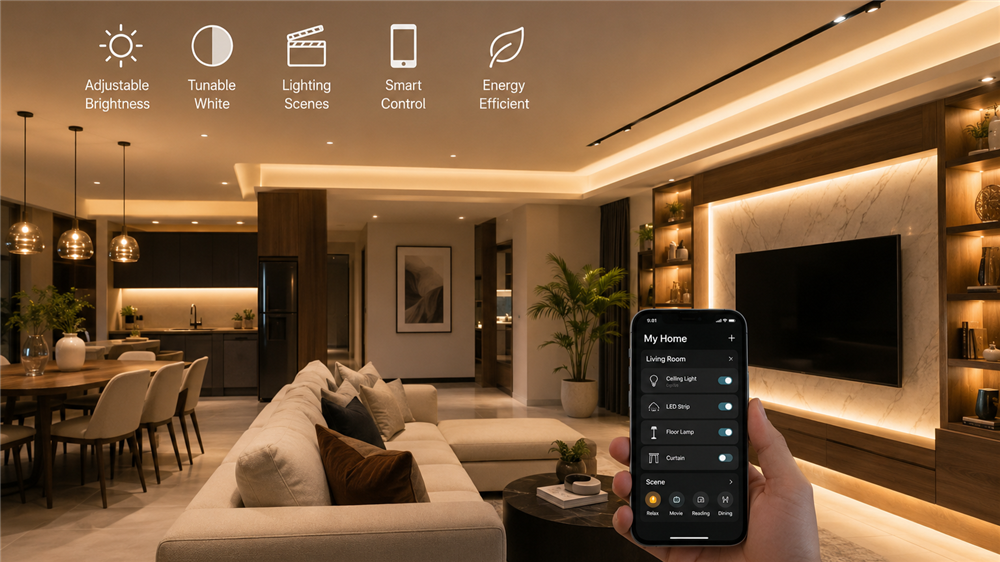
You don't need to spend thousands on renovation to make your home look more luxurious. A smart lighting system can instantly improve the atmosphere, highlight your interior design and create different moods using your smartphone, voice assistant or automation. For many Malaysian homeowners, upgrading lighting is one of the easiest and most cost-effective ways to modernise a home while improving comfort, convenience and energy efficiency.


Can smart lighting really improve my home's interior without renovation?

Yes. Smart lighting can be a game changer for your home’s appeal, with the ability to change brightness, colour temperature and lighting settings. Warmer lighting allows for a more comfortable ambiance while cooler lighting will make your area feel brighter and more expansive. These adjustments can make your current furnishings and decor look more premium without needing any structural work.


Are smart lights worth it in Malaysia?

Sure. Smart lighting is good for Malaysian homes as it is convenient, saves energy and can be changed according to different lifestyles,” he said. Whether you live in a condo, terrace house or a bungalow, you can program your lights to turn on and off automatically according to your daily routine. This will make your home more comfortable and save you money on electricity costs.


What rooms should I add smart lighting to?

Start with the rooms you use the most:

  • The living room is a room for relaxing and entertaining guests.
  • Bedroom for better sleep.
  • Kitchen to make it easier to see while you cook.
  • The home office is for getting work done.
  • Hallways and entrances are for safety and ease of use.

Start with one or two rooms to see the benefits before adding it to the rest of your home. 


What's the difference between smart bulbs and smart switches?

You can change the colours of the lights with smart bulbs, and give each bulb their own individual control. Smart switches, however, allow you to control the lights while still feeling like a regular wall switch. If you have a home with a lot of lighting fixtures, smart switches are generally a better, more scalable option.


Can smart lighting be expanded into a complete smart home?

Yes.  Smart lighting is usually the first step to a full connected smart home. Once your lighting is in place, you can easily incorporate smart door locks, security cameras, motion sensors, motorised curtains, air conditioning control and voice assistants. If you pick a compatible ecosystem from the start, upgrading in the future is much easier and cheaper.


Why Smart Lighting Matters in Malaysia

Due to the tropical climate of Malaysia, daylight changes rapidly, particularly during the rainy seasons. Hot afternoons mean many homeowners are staying inside, and the lighting inside is an important part of everyday comfort.

Open-plan layouts are becoming more common in more modern condos and landed homes, where a single lighting setup affects multiple spaces. Homeowners can use smart lighting to create different moods in the same area without making any physical changes to the layout. Electricity prices remain a concern for households, and automation features such as schedules, occupancy sensors and dimming also cut down on unnecessary energy consumption.


Real-Life Use Cases

The Living Room Entertainment

The living room is one of the best places to put smart lighting. Most families spend time together in their living room. The brighter neutral lighting creates a welcoming space for reading, cleaning, or hosting guests during the day. In the evening, with just one tap or voice command, you can switch to warm, dimmed lighting to create a cozy atmosphere for watching movies or unwinding after work.


A More Relaxed Bedroom

Smart lighting can create a healthier and more relaxing bedroom atmosphere. A bright light is helpful when you are getting ready in the morning, and a warm, dim light helps your body to relax before sleep. Set your lights to slowly increase in brightness as a gentle wake up alarm or to decrease automatically at night to help build a better bedtime routine. These little changes will not only add to your comfort, but will also make your bedroom look like a premium hotel room and you don’t have to do expensive renovations.


A Working Home Office

Now that many Malaysians are working from home at least part of the week, adequate lighting is more important than ever. Smart lighting allows you to use bright, cool white lighting during working hours for better visibility and less eye strain. Once your workday is over, you can change to a warmer lighting scene immediately to turn the office into a warm space for reading or your hobbies. This flexibility allows for a single room to serve multiple purposes, and to be a pleasant space at all times of the day. 


Tips and Best Practices

Mix Different Lighting Types

Instead of just relying on one overhead light fixture, mix ambient, task and accent lighting to create depth and balance in your home. Ceiling fixtures provide general lighting, while table lamps, LED strips and under-cabinet lights draw attention to specific areas and decorative elements. The use of various light sources increases the complexity of the interior design and contributes to the feeling of spaciousness, warmth and friendliness of rooms.


Choose the Right Color Temperature

The temperature of color has a great influence on the atmosphere of a room. Crisp white illumination is best used in kitchens, bathrooms and home offices where clarity and focus are critical. The warm white lighting is the best option for bedrooms and living rooms to create a relaxing and cozy ambiance. Using the right color temperature in each space not only enhances your furniture, flooring and wall colors, it makes each room more enjoyable to be in.


Develop a Scalable Smart Home Infrastructure

Also, consider your future needs when buying smart lighting. Look for items that are part of a cohesive smart home framework so that it is seamless to add more devices in the future. For example, after you’ve got smart lighting installed, you might want to add automated curtains, motion detectors, surveillance cameras or smart locks later on. By starting with a scalable system, you won't need to replace devices later, leading to a smoother smart home experience as your needs grow. 


Common Mistakes to Avoid

Buying Based on Price Alone

There are plenty of homeowners who go for the cheapest smart lighting they can find, ignoring things like compatibility, quality and long-term reliability. While the upfront cost might be lower, such devices often require separate apps, or are not compatible with other smart home systems. You’ll be happier with your customers and they’ll be happier with you if you work with a reliable ecosystem from the very beginning, saving you money later on by not having to replace it.


Using the Same Lighting Everywhere

It’s a common mistake to use the same brightness and color temperature throughout the house. Each room has its purpose, and the light should serve that purpose. A bright natural light might be okay for a kitchen but can look harsh in a bedroom or living area. Creating different lighting scenarios for different zones will increase comfort, make the interior look better and your home look more purposeful.


Forgetting About Automation

Some homeowners have smart lighting, but they just use it like a normal light switch and don't take advantage of many useful features. You can set schedules, create lighting scenes, and link the lights to motion sensors or voice assistants to make life easier and save energy. Automation makes your home react to your daily routine, making smart lighting a system that is much more than just remotely controlled lights.


Smart Lighting vs Traditional Lighting

Feature Smart Lighting Traditional Lighting
Brightness Control Adjustable Fixed
Colour Temperature Adjustable Usually fixed
Smartphone Control Yes No


How to Get Started

Step 1: Identify the rooms you use most

Start with spaces like the living room, bedroom, or kitchen where lighting has the biggest impact on comfort and appearance.

Step 2: Choose a compatible smart lighting ecosystem

Select devices that can grow with your future smart home plans instead of buying standalone products.

Step 3: Install smart lights or smart switches

Depending on your existing setup, you can begin with smart bulbs, smart switches, or LED light strips.

Step 4: Create lighting scenes

Set up scenes for working, relaxing, dining, entertaining, and sleeping to match your daily routine.

Step 5: Expand your smart home

Once you're comfortable with smart lighting, add smart curtains, sensors, smart door locks, cameras, or other home automation devices for a fully connected experience.


Ready to Transform Your Home?

Book a free smart home consultation with Copper Connect to discover how smart lighting can enhance your home's interior without expensive renovations. 

Smart Switch vs Smart Bulb: Which Should You Choose First?

Smart Switch vs Smart Bulb Which Should You Choose First


If you're starting your smart home journey, the right choice depends on how you use your lights. Smart bulbs are easier to install and ideal for renters or anyone wanting colourful lighting. Smart switches are better for homeowners who want a seamless smart lighting experience that works for the whole family, even when someone uses the physical wall switch. 


Smart Switch vs Smart Bulb: Which Is Better for Beginners?

Both products make your home smarter, but they solve different problems. A smart bulb replaces the light bulb itself, allowing you to control brightness, colour temperature, colours, schedules and automation through an app or voice assistant. A smart switch replaces your traditional wall switch. Instead of making the bulb smart, it controls the power supplied to your existing lights while keeping the familiar wall switch experience.


Should I Buy a Smart Switch or Smart Bulb First?

For most Malaysian homeowners, the answer depends on your home and lifestyle.

Choose a smart bulb if you:

  • Rent your home or apartment.
  • Want RGB colours and mood lighting.
  • Only want to upgrade one or two rooms.
  • Prefer DIY installation.

Choose a smart switch if you:

  • Own your home.
  • Plan to automate multiple lights.
  • Want everyone in the family to use normal wall switches.
  • Are renovating or planning a new home.

If you're building a complete smart home, many professionals recommend starting with smart switches because they create a stronger foundation for future automation.


Are Smart Switches Better Than Smart Bulbs?

Neither is better in every situation. Smart bulbs provide more lighting effects, while smart switches provide a better everyday experience. One common issue with smart bulbs is that they lose smart functions if someone turns off the wall switch. Since many Malaysian households have children, guests or elderly family members who naturally use wall switches, this can become frustrating. Smart switches solve this problem because the switch itself is intelligent. 


Can I Use Both Together?

Yes. Many modern smart home systems allow smart switches and smart bulbs to work together.

For example:

  • Smart switches control the main lighting.
  • Smart bulbs create mood lighting in bedrooms.
  • LED strips provide accent lighting.
  • Motion sensors automate hallways.
  • Voice assistants control everything from one app.

This combination gives homeowners both convenience and flexibility.


Which Option Saves More Money?

It depends on the number of lights. If a room has only one or two bulbs, smart bulbs are often the more affordable option. However, living rooms, kitchens and dining areas usually contain multiple downlights. Instead of replacing eight or ten bulbs, installing one smart switch may cost less while controlling every connected light simultaneously. This makes smart switches a cost-effective choice for larger spaces.


Do Smart Switches Need Smart Bulbs?

No. A smart switch works with most standard LED bulbs. This means homeowners can keep their existing lights while adding smart features such as:

  • Scheduling
  • Voice control
  • Remote control
  • Automation
  • Smart scenes

Many people mistakenly think they must replace every bulb before enjoying smart lighting. In reality, a smart switch is often enough to begin.


Which One Is Best for a Smart Home?

If you eventually want smart lighting, smart security, smart curtains, sensors and voice control working together, smart switches usually provide a better long-term investment. They integrate naturally into home automation systems and make daily operation easier for everyone in the household. Smart bulbs remain an excellent choice for decorative lighting, gaming rooms, bedrooms and entertainment spaces where colours and ambience matter most.


Why This Matters in Malaysia

Malaysian homes have unique layouts and lifestyles that influence which solution works best. Many landed homes have multiple downlights in living rooms, making smart switches more practical because a single switch can control several lights. Meanwhile, condominiums and rental units often limit renovation work, making smart bulbs a convenient alternative that requires no wiring changes. Smart lighting schedules can automatically brighten workspaces during productive hours and create relaxing lighting at night. 


Smart Switch vs Smart Bulb Comparison

Feature Smart Switch Smart Bulb
Existing bulbs Keep current bulbs Replace each bulb
Colour changing No (depends on bulb) Yes
Long-term automation Excellent Good


Real-Life Use Cases


Family Living Room

A homeowner in Kuala Lumpur installs one smart switch to control eight ceiling downlights in the living room. Instead of replacing every light bulb, the entire lighting circuit is controlled through a single smart switch. Family members can still use the wall switch as usual, while schedules automatically turn the lights on before sunset and off at bedtime.


Rental Apartment

A young professional renting a condominium chooses smart bulbs because they require no rewiring or permanent changes to the property. Different lighting scenes are created for working, relaxing and watching movies using a smartphone app or voice assistant. When it's time to move, the smart bulbs can simply be unscrewed and taken to the next home, making them a flexible and renter-friendly solution..


Smart Entertainment Room

A homeowner combines smart switches with RGB smart bulbs and LED light strips to create an immersive entertainment space. During movie nights, one voice command dims the ceiling lights, turns on colourful ambient lighting and closes the smart curtains automatically. The result is a cinema-like experience without manually adjusting multiple devices every time.


Tips & Best Practices


Start with your busiest room

Begin by upgrading the room you use the most, such as the living room, kitchen or dining area. Since these spaces are used daily, you'll experience the benefits of smart lighting more often. Starting with one room also allows you to learn how automation works before expanding to the rest of your home.


Think about future expansion

Choose products that can easily integrate with smart sensors, smart speakers, cameras and other automation devices. Even if you're only installing smart lighting today, selecting a compatible ecosystem makes it much easier to add new smart home features later without replacing existing devices.


Use smart scenes

Rather than controlling lights one by one, create smart scenes that automate multiple actions with a single tap or voice command. For example, a "Good Morning" scene can gradually brighten the lights and open the curtains, while an "Away Mode" can switch off all lights and activate your smart security system before you leave home.


Common Mistakes


Buying only based on price

Choosing the cheapest option may seem like a good deal, but it isn't always the best long-term solution. Consider the size of the room, the number of lights you want to control and how your family will use the system. Spending slightly more on the right product can provide greater convenience and better value over time.


Ignoring existing wiring

Not all smart switches are compatible with every home's electrical wiring. Before purchasing, check whether your home meets the installation requirements or consult a smart home specialist. This helps avoid installation issues and ensures the system performs reliably.


Mixing too many ecosystems

Buying smart devices from different brands without checking compatibility can lead to multiple apps and inconsistent automation. Choosing products that support the same smart home ecosystem allows your lights, sensors, security devices and voice assistants to work together more smoothly.


How to Get Started


1. Decide your goal

Choose whether you want colourful mood lighting, everyday convenience or a complete smart home system.

2. Count your lights

Rooms with many ceiling lights often benefit more from smart switches, while rooms with one or two fixtures are ideal for smart bulbs.

3. Check your home type

Renters may prefer smart bulbs because they require no wiring changes. Homeowners planning renovations should consider smart switches.

4. Choose a compatible ecosystem

Select products that work with your preferred smart home platform so future devices integrate easily.

5. Book a smart home consultation

A professional consultation helps you choose the right combination of smart switches, smart bulbs, sensors and automation based on your home's layout.


Ready to upgrade your house to smart home?

Book a FREE smart home consultation with Copper Connect  to discover the best smart lighting, smart security and home automation solution for your home.

When Should You Plan Your Smart Home During Renovation?

When Should You Plan Your Smart Home During Renovation


The optimum time to plan your smart home is before the renovation, ideally when you’re designing the interior and planning the electrical work. This lets your contractor, electrician and smart home consultant plan the appropriate wiring, switch positions and device placements before construction starts. This translates into a cleaner installation, fewer modification costs and a property ready for future modifications.


When Should I Start Planning My Smart Home During Renovation?

The ideal time to plan your smart home is before any electrical work begins. Once your renovation starts, decisions such as where your switches, lighting points and power sockets will be installed become increasingly difficult to change. Planning early gives you the flexibility to design your home around your daily lifestyle instead of trying to fit smart devices into an already completed space.


Why Is It Better to Plan Before Electrical Wiring?

Electrical wiring forms the foundation of every smart home. While many wireless smart devices can be installed later, premium automation features such as smart switches, scene panels, curtain motors and integrated lighting systems are much easier to install before ceilings and walls are completed. When smart home requirements are included during the wiring stage, electricians can prepare additional neutral wires, power points and control locations without extra construction work. 


Can I Still Install a Smart Home After Renovation?

Yes, absolutely. Many homeowners begin their smart home journey after moving into their new house, and there are plenty of wireless devices that can be added without major renovation work. Products such as smart bulbs, smart plugs, robot vacuums, indoor security cameras and smart speakers can usually be installed within minutes.


Which Smart Home Features Should Be Planned Early?

Although not every smart home product requires renovation work, several important features should be considered during the planning stage. Smart lighting systems, motorised curtains, scene panels, ceiling-mounted sensors and security cameras all benefit from early planning because they often involve electrical wiring or precise installation locations. Planning ahead also gives you room to expand. 


Will Planning a Smart Home Increase My Renovation Budget?

The biggest misconception is that you have to spend more money on smart home planning. In fact, homeowners can typically save money with early planning. If you add smart gadgets later without sufficient planning, you may have to replace newly installed switches, reopen finished walls or move electrical points. These subsequent renovation operations can easily cost more than preparing the infrastructure in the first remodelling.


Why Early Planning Matters for Malaysian Homes

Malaysia's climate and lifestyle make smart home automation particularly valuable. Hot afternoons, unpredictable weather and increasing electricity costs have encouraged many homeowners to look for smarter ways to manage their homes. Imagine arriving home after work. Instead of walking into a dark, warm house, your lights can switch on automatically, your curtains can close before the afternoon sun heats the living room and your air conditioner can begin cooling the space before you arrive. These simple automations improve comfort while helping homeowners use energy more efficiently.


Real-Life Use Cases


Smart Lighting During Renovation

Once the renovation is done, a homeowner may want to get smart lighting, but the existing wiring and switch placement may not accommodate this. Smart lighting is best planned early on. Smart switches, LED strips and lighting zones can be incorporated into the electrical design from the outset, leading to a cleaner and more integrated installation.

Automated Curtains 

Motorised curtains are becoming increasingly popular in Malaysian homes, especially in rooms exposed to strong afternoon sunlight. However, curtain motors require suitable power points and installation space. Planning them during renovation ensures the wiring and curtain tracks can be properly concealed instead of relying on visible cables later. 

Smart Security for Better Protection

Homeowners moving into a new house often install security cameras, smart door locks and sensors. Deciding on the location of these devices during restoration makes better coverage and cleaner installation easier. This is especially helpful for landed properties with several entrances and outdoor spaces.


Best Practices for Planning


Start Before Electrical Work

Before the electrical wiring goes in is the best time to talk about smart home automation.” This allows your contractor and smart home specialist enough time to design the positions of switches, power points and wiring needs without having to change walls or ceilings that are already done. 


Plan Around Your Lifestyle

Don’t buy smart devices just because they’re popular, but think about how automation can help you enhance your everyday routine. For example, a homeowner that tends to forget to turn off the lights may benefit from automated lighting scenes, while a family that spends a lot of time outside may prefer smart security.


Leave Room for Future Upgrades

You don’t have to build a smart house all at once. For example, if you start with smart lights, then arranging your electrical layout and network infrastructure properly might make it easier to add smart curtains, sensors and security devices later.


Common Mistakes to Avoid


Waiting Until Renovation Is Complete

One of the most common mistakes is only thinking about smart home automation after the renovation has finished. By then, adding certain features may require additional hacking, rewiring and repainting, which can increase both costs and installation time.


Buying Incompatible Devices

Not every smart gadget is compatible with every ecosystem. If they purchase products from several companies without verifying compatibility, they would end up with multiple apps and a difficult user experience. Selecting compatible equipment from the outset will produce a more reliable and convenient smart home.


Focusing Only on the Devices

Many homeowners focus on which smart products to purchase but forget about the infrastructure needed to support them. Wi-Fi coverage, electrical wiring and device placement are all important parts of a successful smart home. Planning these elements early can prevent connectivity and installation problems later. 


Planning Before Renovation vs After Renovation


Before Renovation After Renovation
Cleaner installation with hidden wiring May require exposed wiring or additional modifications
Lower installation costs Higher labour and renovation costs
Easier future expansion More complicated to expand later


How to Get Started

If you're planning to renovate your home, start by thinking about how you want to live rather than which gadgets you want to buy. Consider your daily routine, your family's habits and the areas of your home where automation would make the biggest difference.

Next, discuss your ideas with your interior designer and arrange a consultation with a smart home specialist before electrical work begins. Together, you can create a plan that matches your renovation budget while leaving room for future upgrades.


Ready to Build a Smarter Home?

Schedule a  FREE smart home consultation with Copper Connect today or visit our showroom to discover how smart home planning can transform your renovation into a truly connected living experience.

How to Choose the Right Smart Home Ecosystem Before You Buy

How to Choose the Right Smart Home Ecosystem Before You Buy


The best smart home ecosystem will depend on what devices you already have, which voice assistant you like and what you plan to add in the future. Instead of buying individual smart devices at first, go for an ecosystem that is universally compatible and includes lighting, security, entertainment and automation under one platform. 


What is a smart home ecosystem? 

A smart home ecosystem is the platform that connects all of your smart gadgets into one system. With an ecosystem, you can manage everything from a single app or voice assistant, instead of having to handle each product with a different app. Such as Apple Home, Google Home, Amazon Alexa, Samsung SmartThings and ecosystems supporting the Matter standard.


Why should I choose an ecosystem before buying devices?

Plan first so you don’t have compatibility issues down the road. Many homeowners buy smart bulbs, cameras, switches and sensors from different brands only to realise they can’t talk to each other. Picking an ecosystem first means that all new devices will integrate with your smart home without any issues. It also makes automation a lot easier. 


Which smart home ecosystem is best for Malaysian homes?

There isn't one perfect answer because every homeowner has different needs.

For example:

  • Apple users often prefer Apple Home.
  • Android users usually find Google Home more convenient.
  • Families with many different smart devices often choose SmartThings because of its broad compatibility.
  • Homeowners planning long-term upgrades should also consider Matter-compatible products for greater flexibility.

The best ecosystem is one that matches your lifestyle instead of simply following trends.


Can I mix different smart home brands?

Yes but only if they support the same ecosystem or communication standard. Many reputable brands now support Matter, Google Home, Apple Home, Alexa, or SmartThings. This allows homeowners to combine products from multiple manufacturers without sacrificing automation. However, always verify compatibility before purchasing. 


Is Matter changing smart homes?

Yes. Matter is one of the biggest leaps forward in home automation as it makes it much easier for certified devices from different vendors to operate together. Matter is also more flexible for future upgrades, rather than being tied to one manufacturer. More manufacturers are adopting Matter, which should make compatibility difficulties much less of a problem.


Do I need professional installation?

Not always. Simple goods like smart lamps or smart plugs may usually be set up by oneself. Smart switches, curtain motors, security systems, smart door locks and complete home automation may be planned and installed best by professionals to ensure dependable operation, correct wiring and better automation design. 


Why Choosing the Right Ecosystem Matters in Malaysia

Many Malaysian homeowners start off with one or two smart gadgets and then build up their system over time. What begins as a smart light bulb quickly becomes automated lighting, motorised curtains, smart locks, security cameras, air conditioning management and energy monitoring. In the absence of a well-defined ecosystem, every new device could mean a new mobile app, a new login, and a new learning curve. It makes the smart home feel more complex, not more convenient.


Real-Life Use Cases


New Condo Owners

A couple moves into their new condominium in Kuala Lumpur and installs smart switches, smart lighting, curtain motors, and a video doorbell. Because all devices are connected through the same ecosystem, they can activate a "Leaving Home" scene with one tap that turns off every light, closes the curtains, arms the security sensors, and switches off unnecessary appliances.


Growing Families

Parents automate their hallway lights with motion sensors, schedule children's bedroom lights for bedtime, and receive alerts whenever the main door opens after school. Everything is managed from one app, making daily routines easier and improving home security.


Home Renovation Projects

During renovation, homeowners choose smart switches instead of relying only on smart bulbs. This provides manual control, voice control, and automation while keeping the house functional even if guests do not use the mobile app.


Tips and Best Practices


Plan Beyond Today's Needs

Think of the intelligent devices you'd want to possess in the future three to five years. You may begin with smart lighting today and later add security cameras, smart locks, curtains or energy management. Choosing a scalable ecosystem will save you from having to replace equipment later on.


Prioritise Compatibility

Before buying, check whether a product supports your favourite ecosystem. If you want a smart home you can trust, compatibility is more important than having the latest features.


Choose Reliable Network Infrastructure

You need a reliable Wi-Fi network for smart home experiences. For larger Malaysian houses, a mesh Wi-Fi system could be useful to keep all smart devices linked.


Common Mistakes


Buying Based Only on Price

Cheaper devices can become expensive if they cannot integrate with your existing system. Compatibility should always come before price.


Using Too Many Apps

Managing every device through separate applications quickly becomes frustrating. A unified ecosystem creates a much better user experience.


Ignoring Future Expansion

Many homeowners only think about today's needs. Later, when they want to add smart security or motorised curtains, they discover their original devices cannot integrate properly.


Smart Home Ecosystem Comparison

Ecosystem Best For Strengths Considerations
Apple Home iPhone user Excellent privacy, simple interface Internet connection enhances many features
Google Home Android users Strong voice control, wide device support Internet connection enhances many features
Amazon Alexa Voice automation Extensive smart device compatibility Some services have limited local availability


How to Get Started

Start by deciding which smartphone ecosystem your family already uses. Next, make a list of the smart features you want today and those you may add in the future.

Then choose smart products that support your preferred ecosystem and are designed to work together. If you're renovating or building a new home, consulting a professional before installation can help avoid costly compatibility issues later.


Looking for smart home solutions?

Schedule a FREE smart home consultation with Copper Connect today and our smart home experts will help you recommend products that work seamlessly together. 

10 Home Automation Routines That Save Time Every Day

10 Home Automation Routines That Save Time Every Day


Home automation routines can help you save time by automating repetitive actions in your house such as turning on and off lights, adjusting curtains, air conditioning and boosting home security. The major benefits for Malaysian homes are usually morning routines, energy-saving schedules and automatic arrival or bedtime scenes.


1. What is a home automation routine?

A home automation routine is a collection of smart devices that automatically executes tasks based on schedules, triggers, location or conditions. For example, at 7 a.m. the curtains can open, the lights can turn on slowly, the air-conditioner can start cooling and your favourite music can start playing.


2. Can smart home routines actually save time?

Yes. Research from smart home studies shows homeowners often benefit most from reducing repetitive daily actions rather than simply adding convenience. Even saving 5–10 small actions every day adds up over months. This means no walking around turning off lights, no checking whether doors are locked and no manually opening curtains. 


3. Are smart home routines suitable for Malaysian homes?

Absolutely. Malaysia’s hot climate, frequent use of air conditioning, condo living, and busy urban lifestyles make automation especially practical. Popular local use cases include cooling bedrooms before sleep, automatically closing curtains during afternoon heat, and using security automation when travelling during long weekends. 


4. Do I need a fully smart house to start?

No. Most homeowners start with smart switches, smart lighting and smart curtains before moving on to smart security, smart sensors and multi-room automation. Typically, it is better to start modest and work toward longer-term acceptance.


5. Will automation increase electricity bills?

Not quite. Good automation is mostly about reducing wasteful energy use by devices only working when they need to. This includes planned air conditioning and occupancy-based lighting.


6. What routine should beginners install first?

For most Malaysian homes, the best routines to start with are Arrival Home Routine, Sleep Routine, and Away Mode, since these usually create immediate daily value and make everyday living feel noticeably more convenient.


10 Home Automation Routines That Save Time Every Day


1. Good Morning Routine

Imagine waking up and your home is already preparing for the day. In this routine, the curtains automatically open, the lights in the bedroom gradually increase, the lights in the living room turn on, and the air conditioner adjusts for a comfortable start to the morning.


2. Leave Home Routine

This routine works with one tap or automatic detection when you leave the house. It turns off all lights, switches off selected appliances, activates the security system, and locks the doors. This routine removes the “Did I forget something?” moment.


3. Arrive Home Routine

When you arrive home, the entrance lights turn on, the curtains close, the air conditioning activates, and the ambient lighting adjusts to welcome you in. Useful for returning during Malaysia’s hot afternoons.


4. Movie Night Routine

One scene transforms the room by dimming the lights, closing the curtains, and turning on the entertainment devices, so everything is ready the moment you sit down. It is simple but surprisingly effective because it removes the small setup steps that usually interrupt the experience. 


5. Bedtime Routine

This popular preferred routine works with one command to turn off the lights, lock the doors, activate night illumination and change the room temperature. It makes the end of the day easier, minimizes the chances of forgetting things and makes nighttime seem more effortless.


6. Energy Saving Routine

This routine starts when rooms are vacant, or daylight is detected, or certain schedules are met. It switches off the lights, controls the air-conditioner and employs drapes to prevent heat gain.


7. Smart Security Routine

Automation can involve layers of protection, including motion alerts, camera activation, door-opening notifications and presence simulation while you’re away.


8. Rain Protection Routine

This routine is quite handy for Malaysian weather and is triggered by a rain sensor. It closes the motorized curtains, gives alerts and helps protect the internal spaces.


9. Work From Home Routine

This routine follows a schedule that adjusts lighting for productivity, reduces glare, and activates focused zones. Especially useful for hybrid workers.


10. Weekend Relaxation Routine

This routine creates a more relaxed atmosphere with later curtain opening, softer lighting, and an entertainment setup. Small changes can make weekends feel different from weekdays.


Why Home Automation Matters in Malaysia

A smart home routine helps reduce micro-decisions throughout the day. One common experience shared by homeowners during smart home consultations is that people initially buy automation for convenience but continue using it because it removes dozens of tiny daily tasks they did not realise were repetitive. That shift often becomes more valuable than remote control itself. 


Real-Life Use Cases


Condo Owner

Uses arrival automation to cool the unit before reaching home. For example, a condo owner in Kuala Lumpur sets the air conditioner to switch on 20 minutes before arriving home from work, so the house feels comfortable the moment they walk in. 


Family Household

Morning scenes reduce chaos before school and work. For example,a family in Johor Bahru uses a morning routine that opens the curtains, turns on the kitchen lights, and starts the air conditioner before the children leave for school.


Frequent Traveller

Away Mode manages lighting and security automatically. For example, a homeowner travelling during the holidays activates Away Mode so selected lights turn on at night, giving the impression that someone is still home.


Tips & Best Practices


Start with routines, not devices. 

Ask yourself, “What do I repeat every day?” This helps you focus on the actions that matter most instead of buying smart products without a clear purpose. 


Create manual override options

so your smart home remains flexible. Automation should make life easier, but you should still be able to control everything manually when needed. 


Prioritise high-frequency actions. 

Focus on routines used every day because these deliver the most noticeable time savings and convenience. 


Common Mistakes Homeowners Make


Ignoring smart lighting scenes 

Lighting is one of the easiest and most useful ways to improve comfort and convenience. 


Forgetting future expansion 

Your setup should leave room for more devices and routines as your needs grow 


Buying random smart devices without planning 

This often leads to devices that do not work well together or do not solve any real daily problem. 


Comparison: Manual Home vs Automated Home

Daily Activity Manual Home Smart Routine
Turn off the lights Walk room to room Automatic
Close curtains Manual Scheduled
Security checks Physical check Automated


How to Get Started

Step 1: Identify 3 repetitive daily tasks
Step 2: Choose one room to automate first
Step 3: Add smart lighting and smart switches
Step 4: Expand into smart security and automation scenes
Step 5: Fine-tune based on real usage


Save Time Daily With Smarter Living

Book a FREE consultation with Copper Connect and discover which automation routines fit your home and lifestyle.